Before anyone could snap or study, or even place Megalodon teeth on a shelf it was performing something much more tense. It was part of the largest predatory sharks ever found in Earth’s oceans. The tooth fell out. This is the conclusion for most objects. It can also be the beginning of a tale for a fossil.
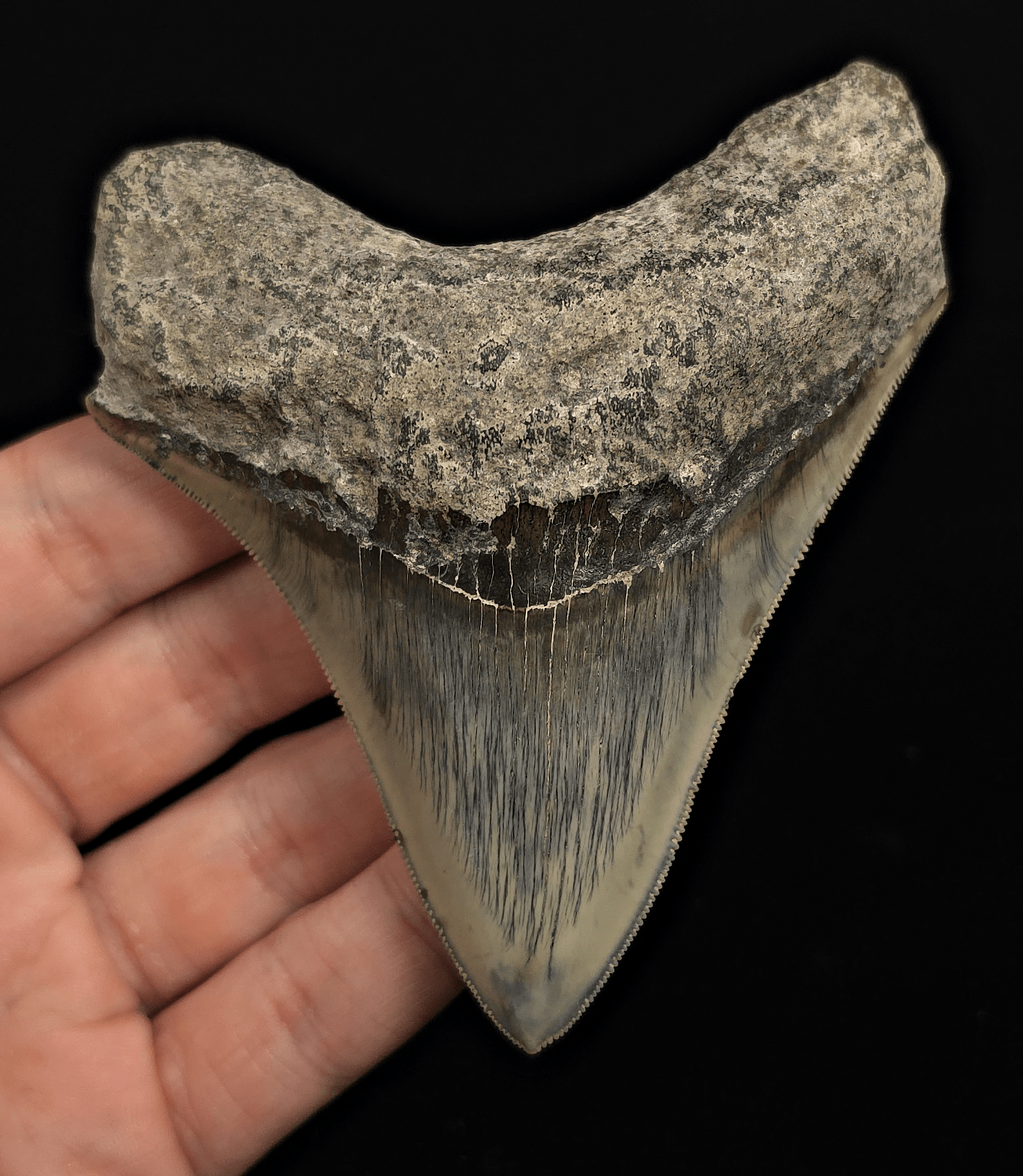
Image credit: fossildriven.com
The specimens offered by Fossil Driven have traveled through a geological process measured not in years or centuries, but in millions of years. Understanding the journey can change the experience of looking at the fossil. It’s not just an interesting object. You’re seeing physical evidence from an era that ended long ago.
The First Station: An Ancient Ocean
Take Megalodon’s tooth taken from West Java in Indonesia. About 20 million years ago, regions that are dry land today were surrounded by warmer marine environments. Megalodon sharks were a common sight in these prehistoric waters alongside countless other forms of marine life.
Similar to modern sharks, Megalodon always produced and lost teeth. Some of the teeth eventually were buried in marine sediments. If the conditions are ideal burial could protect the teeth long enough to allow fossilization.
Then, Geology came in.
The next chapter unfolded incredibly slowly. Sediments were accumulating. Minerals acted in conjunction and buried material. Geological forces altered landscapes. submerged landscapes transformed into land. This is why consumers immediately notice when looking at megalodon teeth for sale Genuine fossil teeth may appear dramatically different in colors.
Indonesian specimens found in West Java’s Miocene Bentang Formation are able to appear tan, gold, blue, brown, red, black, or display many shades within one tooth. The surrounding minerals can affect the appearance of a fossil after it has been placed in a grave for a prolonged period of time. Nature is unable to reproduce the results in massive quantities. Each fossil has the geological evolution of its own.
Discovery begins a new chapter
Finally, a buried fossil that is thousands of years old is discovered. Now identification and documentation become vital.
When collectors browse authentic megalodon teeth on the market and aren’t merely evaluating the appearance. Information on the location as well as geological age, preservation, repairs, and restoration will help them understand what they’re really looking at.
Natural wear doesn’t erase the history of a fossil. It’s possible that the worn tip or a faulty root, as well as the absence of a serration are all part of the fossil’s history. It is vital to accurately portray the condition of the specimen.
Fossil Driven has over 13 years of fossil identification experience to the process, and also works with established fossil hunters and suppliers. If possible, fossils are described and analyzed with all the relevant details.
Eventually the Fossil is found by someone’s hands.
Folks purchase real Fossils for many reasons. Certain collections are carefully categorize. Others prefer a single, dramatic conversation piece. A child who is intrigued by prehistoric animals could receive their first real fossil, which sparks a lifelong passion for paleontology.
Megalodons is just one of the many ways that open to the world. Dinosaur teeth, fossils from mosasaurs trilobites, ammonites, mammoth material, and other pieces of evidence tell entirely diverse chapters of Earth’s history.
The best part of knowing that this is real
Replicas can recreate the shape and size of teeth from prehistory. It isn’t able to recreate its past. It is impossible to recreate its past.
This is why authenticity is crucial. A fossil is an evidence of a journey that has been virtually impossible to imagine. The display case is just the latest stop in its journey.