It’s easy to conclude that better medical imaging simply results in more detailed images. However, radiology that is effective has more than one purpose. It is important to determine whether medical tests can provide the needed information for a specific situation.
Someone who is suspect of a joint problem, for example is a different diagnostic problem than a patient undergoing breast imaging or a scan of the prostate. Modern radiology considers the different characteristics of patients by using different imaging methods and not just one scanner that covers all scenarios.
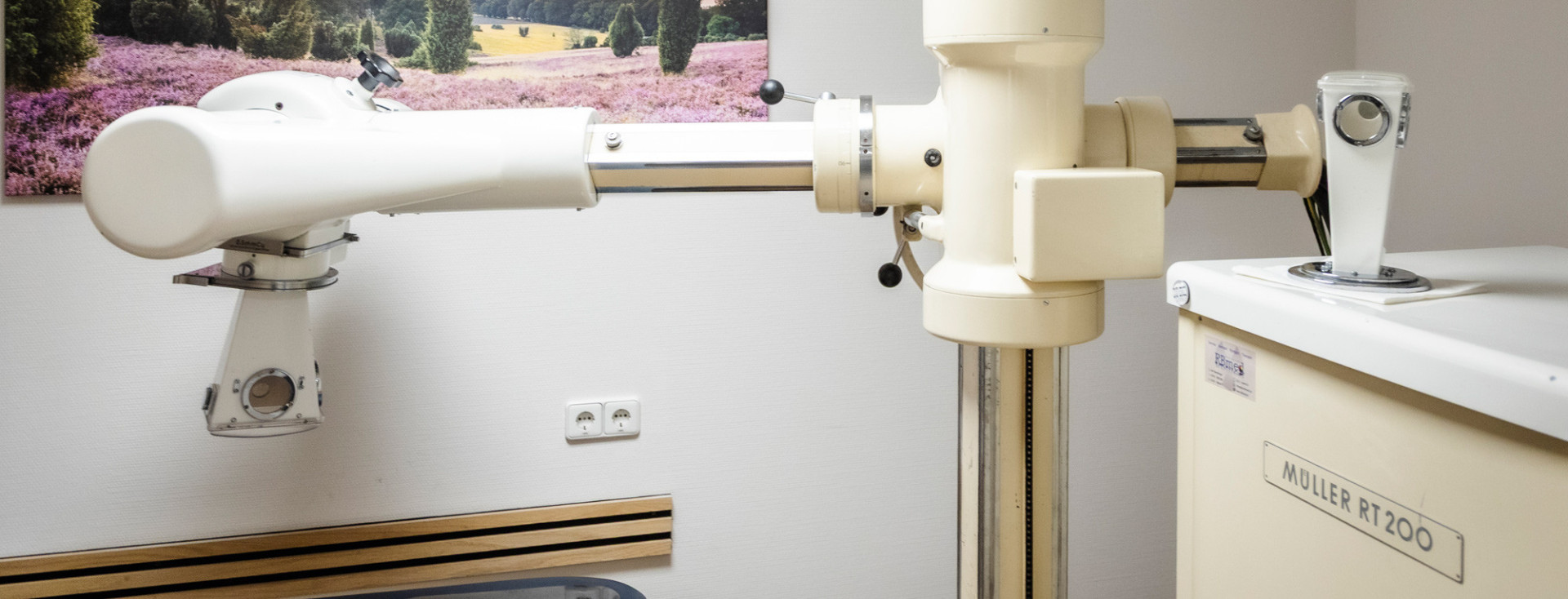
Image credit: diagnostikzentrum-wolfsburg.de
The private consultation available at the Wolfsburg Diagnostic Center gives patients access to various imaging and diagnostic services within the same radiology practice.
Different parts of the body show themselves in different ways
Organs, joints, bone, and soft tissues don’t all appear in the same way using every imaging method.
Magnetic resonance imaging can be particularly useful in situations where a detailed view of the various soft tissue structures is needed. The Wolfsburg Diagnostic Center uses two 1.5 Tesla MRIs to examine the spines, brain, joints, internal organs, and soft tissues. To get more details, click here MRT Wolfsburg
MRI does not employ X-ray radiation. When appropriate, the center offers more targeted exams, such as prostate MRIs or whole-body MRIs.
The most practical advice for patients is straightforward The word “MRI” describes the technology, but the medical aspect determines how that technology is employed.
CT Offers a Different Kind of Points of View
The role of CT in diagnostic medicine is unique. CT produces precise cross-sectional photos of the body using Xrays. At the Wolfsburg Diagnostic Center Exams are conducted with low-dose technology that is designed to minimize radiation exposure while maintaining the image quality needed for evaluation.
The medical situation will determine the most appropriate imaging technique. The more advanced sounds do not automatically suggest more appropriate.
Digital X ray remains relevant
MRI, CT and other imaging technologies are receiving the attention of many. This makes traditional imaging techniques like X-rays appear outdated. Digital X-rays of today tell a different story.
Digital systems continue to provide an established method for examining the bones. Modern equipment incorporates high-resolution images with methods designed to keep radiation exposure low.
The newer technology is not only replacing the older ones, but rather broadening the options for radiologist.
Breast Imaging Shows the Value of a Specific Approach
Breast diagnostics are a further example of specialized imaging. The center offers mammography which includes 3D mammography, tomosynthesis as well as breast ultrasonography. These technologies provide different forms of information about imaging and can be used in accordance with the patient’s individual medical circumstances.
The same principles apply to radiology. A good image starts with understanding what needs to be studied.
Sometimes, imaging can help guide treatment
Radiology goes beyond detecting or checking for any abnormalities. The Wolfsburg Diagnostic Center also performs CT-guided periradicular therapies (PRT) which is a procedure where CT imaging aids in the procedure. Another option for treatment is low-dose radiation therapy.
These examples show how image technology can go beyond simple observation, and can play a part in the direction of precise medical treatment.
Specific and focused questions
Modern diagnostic centers aren’t identified by the number of equipment they use. Its value also comes from applying the correct technology to the specific medical needs and having skilled specialists interpret the resulting images.
Private consultation hours are available in Wolfsburg patients can have access to a vast spectrum of radiological examinations, specialist care, and direct discussion of their findings.
It’s not just about generating more pictures. It’s to provide clinically useful data that aids physicians and patients in gaining a better understanding of the medical problems being examined.