One of the biggest frustrations individuals face when working using artificial intelligence is repetitiveness. A great AI assistant could provide a great response in one instant, only to lose the context for the next conversation. They will compensate by sharing the same information, files, or documents in order to maintain a productive conversation.
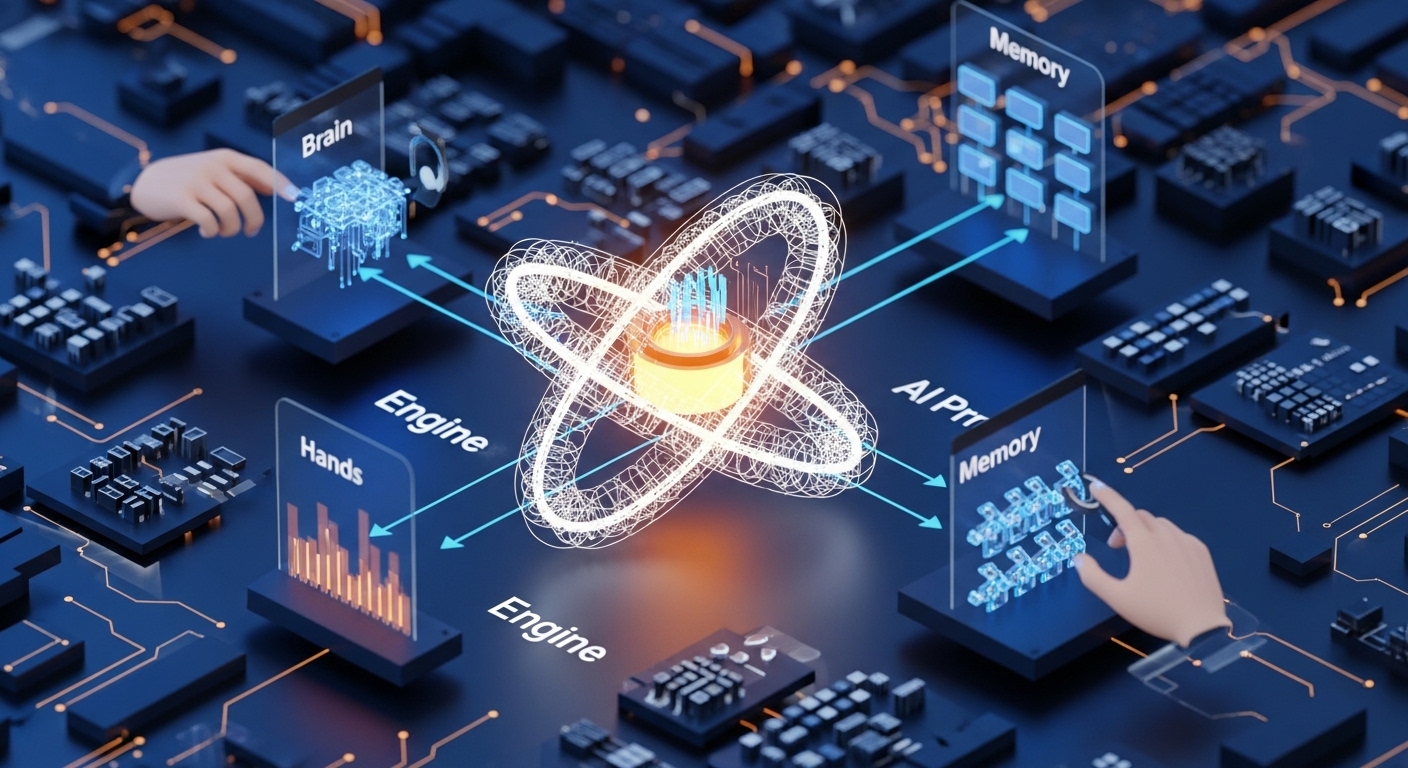
This approach is becoming less effective as AI becomes more common in software. Intelligent systems require the capacity to store relevant information in a quick and efficient manner, as well as recognize changes in information’s structure in time. Memory is among the most critical components of AI architecture in the present.
Memory transforms AI from reactive to intelligent
A system that is able to recall prior work will behave differently than one that has to start again each time. Persistent memory allows applications to better understand ongoing projects as well as recognize regular patterns. It also enables them to offer answers based on historical context, rather than isolated queries.
Telys was created to solve this challenge. Telys is an embedded AI memory engine, not another cloud service. Information is saved and then retrieved from the application. This design gives developers the security to preserve context while reducing unnecessary computational and repetitive processing. As a result, AI experiences feel more natural because the program retains all the information that is important.
Make sure data is localized to increase both speed and privacy
AI models are no longer evaluated based on their ability to generate text. Speed of retrieval, the system’s responsiveness, and the security level are all equally important to companies who use AI in their production.
The use on-device memory for AI agents allows apps to access relevant data without relying on continuous communication with servers that are external. Since memory is stored in the local environment for AI agents, queries can be accomplished more quickly and allow organizations to maintain better control over sensitive information. This architecture is especially valuable to engineers working on internal tools, enterprise-level applications and privacy sensitive applications, where data ownership must not be affected.
Memory that works behind the scenes can be helpful to developers.
It’s not required to manage complicated infrastructure to keep track of context when creating intelligent software. Software developers prefer to use tools that seamlessly integrate into existing workflows and don’t add additional operational overhead.
Local MCP memory servers allow this, allowing users of compatible AI applications to connect to persistent memories from within the local ecosystem. Instead of transferring data across remote APIs, AI assistants are able to retrieve precisely what they require from a memory layer that’s already linked to the application. This simplified approach decreases the amount of latency and provides a more seamless experience for developers who are working on big projects with ever-changing codebases, documentation and documentation.
AI is only successful by being built in the right context
Artificial intelligence has evolved from simple conversations to a variety of systems that are capable of analyzing, planning and performing tasks on their own. They require a reliable memory to keep information in all interactions.
Telys is a sophisticated AI memory system that provides persistent local retrieval that is specifically designed for intelligent apps that require speed, reliability as well as privacy and security. Combined with on-device memory for AI agents and a fast local MCP memory server Telys aids developers in developing software that can remember previous work, instantly retrieves information, and continues improving as time passes.
Ability to think clear and precise will be more valuable as AI integrates into business operations. Telys assists AI developers create AI applications that are quicker and smarter, as well as more useful by providing permanent contextual information for intelligent systems instead of short-term conversations.